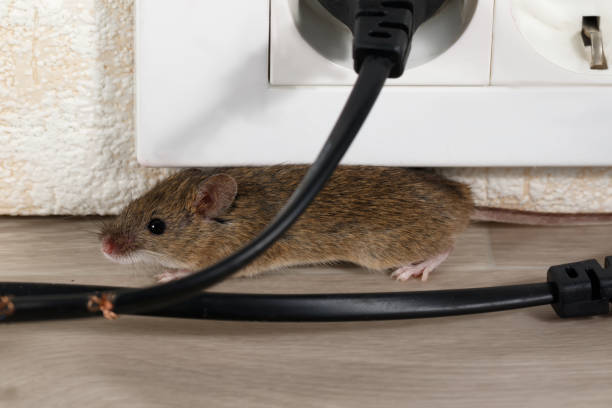
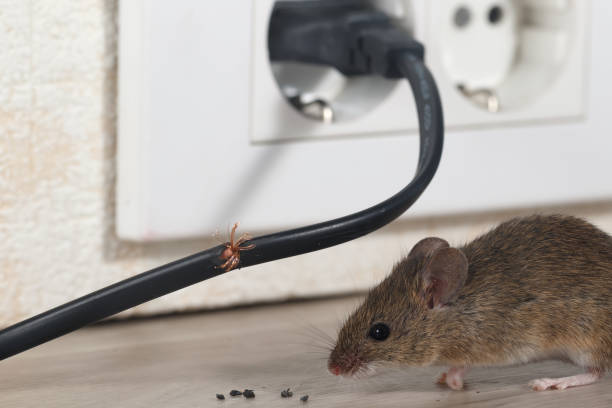
Rodents chewing through electrical wiring is a serious but often hidden problem in Reno homes. Rats and mice can cause extensive damage long before homeowners notice visible signs. If you suspect unusual electrical issues or rodent activity, taking action early is critical.
Many Reno homeowners begin by learning prevention steps and consulting Celtic Pest Control to understand risks and next steps.
Why Rodents Chewing Wires is a Serious Problem in Reno
Electrical wiring damage caused by rodents is more than an inconvenience. It creates safety risks that can affect the entire household.
Rodent Behavior and Constant Gnawing Needs
Rodents gnaw constantly because their teeth never stop growing. Chewing keeps teeth worn down and manageable. Unfortunately, this natural behavior leads them to wires, wood, insulation, and plastic materials commonly found inside homes.
Why Electrical Wiring Attracts Rats and Mice
Wiring insulation is soft and easy to chew
Electrical systems generate slight warmth, especially in colder months
Wiring pathways provide protected travel routes and nesting zones
How Reno Homes Are Vulnerable to Wiring Damage
Many Reno homes have areas where wiring is exposed or accessible:
Attics
Crawl spaces
Garages
Older homes and properties near open land face higher risks due to structural gaps and increased rodent pressure.
Common Rodents in Reno That Damage Electrical Wiring
Not all rodents behave the same, but several common species in Reno are known for damaging wiring.
Rats and Their Destructive Nesting Habits
Powerful gnawers capable of stripping insulation quickly
Build large nests near electrical systems
Often expose live wires inside walls and ceilings
Mice and Hidden Electrical Damage
Small size allows access to narrow wall voids
Frequently chew wires unnoticed
Create hidden fire hazards over time
Where Rodents Target Wiring Inside Homes
Rodents frequently target wiring in attics, basements, wall cavities, and behind appliances. These areas provide shelter, warmth, and easy access without frequent human disturbance.
Attics
Basements
Wall cavities
Behind appliances
How Rodents Gain Access to Home Wiring Systems
Understanding how rodents enter homes helps reduce the chances of wiring damage.
Entry Points Around Foundations and Rooflines
Small structural gaps provide easy access:
Foundation cracks
Roofline gaps
Openings around utility lines
Rats and mice can squeeze through very small spaces to reach interior wiring.
Attics, Basements, and Wall Voids
Once inside, rodents move through interconnected spaces:
Attics and wall voids act as travel highways
Wiring systems become accessible throughout the home
Movement occurs without being seen
Garages and Utility Areas as Access Zones
Garages often create ideal entry conditions:
Doors left open
Stored clutter
Available nesting materials
These spaces frequently become starting points for infestations.
Warning Signs Rodents Are Chewing Your Wiring
Electrical damage often shows subtle warning signs before major failure occurs.
Flickering Lights and Power Issues
Flickering lights
Intermittent outlets
Sudden electrical inconsistencies
While multiple causes exist, rodents should be considered when issues appear repeatedly.
Burning Smells and Tripped Breakers
Burning odor near outlets or walls
Frequently tripped breakers
Electrical overheating signs
These symptoms require immediate attention due to fire risk.
Visible Wire Damage and Nesting Materials
Strong indicators of rodent activity include:
Chewed insulation
Shredded debris
Nesting material near wiring
These signs often appear in attics or behind appliances.
Noises Behind Walls and Ceilings
Noises typically increase at night when rodents are most active.
Scratching
Scurrying
Squeaking
Risks of Rodent-Damaged Wiring for Reno Homeowners
Rodent-related wiring damage creates both safety and financial concerns.
Increased Fire Hazards
Exposed wires can spark, overheat, or short circuit. Electrical fires caused by rodents are a serious risk and often spread quickly before detection.
Electrical System Failures
Chewed wiring disrupts electrical flow, leading to malfunctioning outlets, appliances, and lighting systems. These failures may affect multiple areas of the home simultaneously.
Costly Repairs and Home Insurance Concerns
Repairs may require opening walls or ceilings
Restoration costs can be significant
Insurance coverage may be limited for infestation-related damage
Why Rodents Chew Wires More Often in Cold Months
Seasonal behavior plays a major role in rodent-related wiring damage.
Seasonal Behavior Changes in Rodents
As outdoor temperatures drop, rodents increase indoor activity. Their need for warmth and shelter drives them deeper into homes where wiring is readily available.
Indoor Shelter Seeking During Reno Winters
Reno winters push rodents indoors in large numbers. Homes provide stable temperatures, food sources, and nesting areas that support long-term survival.
Increased Nesting Near Electrical Heat Sources
Electrical systems attract rodents due to heat:
Wiring pathways
Appliances
Electrical boxes
This increases chewing and insulation damage risk.
How to Prevent Rodents from Damaging Your Wiring
Prevention focuses on reducing access and eliminating conditions that attract rodents.
Sealing Entry Points and Structural Gaps
Regularly inspect and seal:
Foundations
Roof openings
Vents
Utility penetrations
Durable sealing blocks rodent access before infestations develop.
Protecting and Insulating Electrical Wiring
Cover exposed wiring where possible and keep insulation intact. Protective conduits can reduce accessibility in vulnerable areas like garages and basements.
Reducing Indoor and Outdoor Attractants
Remove food sources, manage waste properly, and reduce clutter. Clean environments make homes less appealing to rodents seeking shelter.
Safe Storage and Clutter Reduction
Store items in sealed containers and elevate storage off floors. Reducing clutter limits nesting materials and hiding spots near wiring systems.
When Electrical Damage Indicates a Rodent Infestation
Some situations suggest that wiring damage is part of a larger rodent problem.
Repeated Wiring Issues and Power Failures
Recurring electrical issues often indicate ongoing rodent activity. Temporary fixes may not resolve the underlying infestation causing repeated damage.
Signs DIY Prevention Is Not Enough
Traps and repellents may reduce visible rodents but fail to address hidden nests. Continued damage suggests the need for a more comprehensive approach.
Understanding the Role of a Rat Exterminator
A rat exterminator identifies entry points, nesting zones, and activity patterns.
Entry points
Nesting zones
Movement patterns
This stops current damage and reduces future wiring risks.
Why Professional Rodent Control Matters in Reno
Professional rodent control plays an important role in long-term home protection.
Limitations of DIY Traps and Repellents
DIY methods often treat symptoms rather than causes. Without proper exclusion and monitoring, rodents can return and continue damaging wiring.
Expertise of a Licensed Rat Exterminator
Licensed professionals understand local rodent behavior and building structures. Their training allows for targeted strategies that protect electrical systems more effectively.
Long-Term Wiring Protection Strategies
Professional services focus on exclusion, monitoring, and prevention. This approach reduces future risks while maintaining household safety and system reliability.
Reach Out to Celtic Pest Control Today !
Rodent damage does not fix itself and waiting can put your home and family at serious risk. If you are hearing noises, noticing electrical problems, or suspect rats or mice are chewing through your wiring, now is the time to act. Reach out to Celtic Pest Control today.
Our expert mice exterminator in Reno delivers effective, professional rodent pest control solutions tailored to your home. For reliable and thorough pest and rodent control in Reno, Nevada, trust a team that understands the urgency and knows how to stop rodent damage before it leads to costly repairs or dangerous fires.
Frequently Asked Questions (FAQs)
1. Why do rodents chew electrical wires?
Rodents chew wires to control tooth growth and access warm, sheltered areas. Wiring insulation is soft and easy for them to gnaw.
2. Can rodent-chewed wires cause house fires?
Yes, exposed wires can spark or overheat, significantly increasing the risk of electrical fires inside homes.
3. How can you tell if rats are in your walls?
Noises at night, droppings, damaged wiring, and unusual electrical issues are common indicators of rats inside walls.
4. What should you do if you suspect wiring damage?
Turn off affected circuits if possible and inspect for signs of rodents. Addressing both electrical and pest issues is important.
5. When should you call a rat exterminator?
If damage continues, signs increase, or rodents remain active despite prevention efforts, contacting a rat exterminator is a responsible next step.