Bed bugs can spread rapidly through shared walls and hallways in apartments or condos, making control challenging. This guide explains how property managers, tenants, and pest professionals can work together to prevent and control infestations effectively.
Understanding Bed Bugs in Multi-Unit Properties
Before controlling bed bugs, it’s essential to understand their habits, hiding places, and how they spread. Awareness is the first step toward prevention, especially in multi-unit housing where infestations can quickly cross from one apartment to another.
How Bed Bugs Spread Between Units
Bed bugs don’t just stay put. They travel through cracks, outlets, and shared walls. Understanding their movement helps property owners design better control strategies and prevent outbreaks that affect entire buildings.
Bed bugs often move between units when residents travel, move furniture, or during pest control treatments in nearby apartments. Since these insects hide in mattresses, headboards, and electrical outlets, even a small population can spread throughout a building if ignored.
Signs of a Bed Bug Infestation
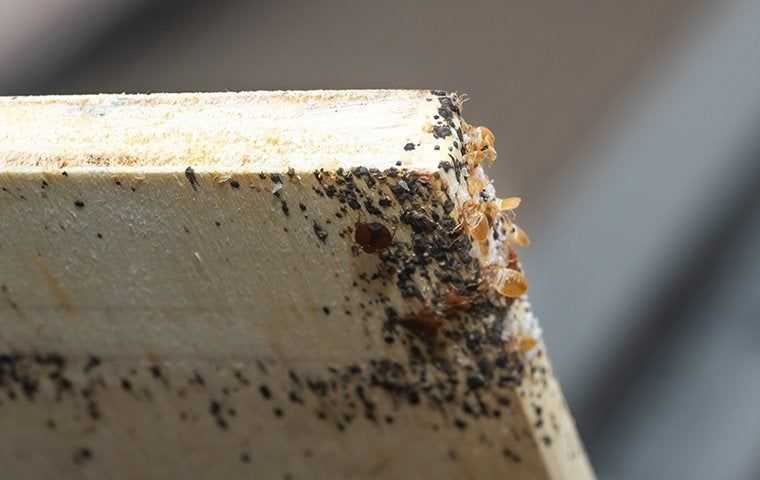
Early detection is crucial. Learn to recognize bed bug signs like tiny blood stains, dark fecal spots, and itchy red bites. Spotting these early can make treatment faster, cheaper, and more effective.
Other signs include small eggs or shell casings on bedding and a musty odor in heavily infested rooms. Routine inspections can identify infestations before they spread to other units.
Prevention Strategies for Multi-Unit Properties
Prevention saves time, money, and reputation. Property managers and residents must adopt consistent, proactive steps to reduce bed bug risks before infestations occur.
Inspection and Monitoring Best Practices
Routine inspections identify issues before they escalate. Use mattress encasements, sticky traps, and visual checks in common areas and sleeping spaces.
Tips include:
- Conduct regular visual inspections
- Train maintenance staff to recognize signs
- Encourage tenant reporting of pest sightings
- Use interceptors under bed legs
Visual checks should include mattresses, upholstered furniture, and electrical outlets. Early identification and consistent documentation help maintain a pest-free environment.
Tenant Education and Cooperation
Bed bug prevention is a shared responsibility. Educating tenants about avoiding used furniture and reporting pests early creates a cooperative environment that keeps infestations under control.
Key points:
- Provide clear reporting procedures
- Distribute bed bug prevention flyers
- Host quarterly pest awareness meetings
Tenants should also be advised to avoid picking up discarded furniture and to inspect luggage after travel. A well-informed tenant community plays a huge role in maintaining bed bug-free properties.
Effective Control Measures for Bed Bugs
When prevention fails, swift action is vital. Combining heat treatments, chemical applications, and professional inspections can eliminate infestations while minimizing disruption to residents.
Professional Pest Control for Bed Bugs
DIY solutions often fail in multi-unit properties. Partnering with Celtic Pest Control ensures comprehensive treatment and long-term protection.
Effective control steps:
- Contact licensed professionals immediately
- Schedule building-wide inspections
- Use heat treatment and residual sprays
- Conduct post-treatment follow-ups
Professional pest control for bed bugs includes both inspection and treatment. Heat treatments kill all life stages of bed bugs, while residual sprays prevent re-infestation. Working with a licensed team helps ensure every affected unit is treated thoroughly.
Integrated Pest Management (IPM) Approach
Integrated Pest Management combines prevention, monitoring, and targeted treatment. This eco-friendly approach reduces pesticide use while maintaining long-term control of bed bugs.
Key IPM components:
- Regular monitoring
- Sanitation and clutter control
- Targeted pesticide applications
- Continuous tenant education
An IPM strategy focuses on addressing root causes rather than only treating symptoms. By reducing clutter, sealing cracks, and maintaining clean conditions, property managers can minimize future infestations.
Role of Property Managers in Bed Bug Control
Property managers are crucial in coordinating inspections, treatments, and tenant communication. A clear action plan minimizes liability and ensures faster resolution.
Responsibilities include:
- Maintaining pest control contracts
- Responding quickly to reports
- Keeping records of inspections and treatments
- Ensuring compliance with local health regulations
Effective property management means consistent communication with tenants and pest control professionals. A well-documented response plan also demonstrates compliance with local housing regulations and can prevent disputes about responsibility.
Celtic Pest Control: Your Local Experts in Bed Bug Management
When infestations occur, trust the professionals who understand Reno’s housing environment. Celtic Pest Control provides reliable, effective pest management solutions for apartments and multi-unit properties.
Why Choose Celtic Pest Control
Celtic Pest Control offers more than extermination, we provide peace of mind. Our trained experts deliver customized treatments that eliminate bed bugs and prevent future outbreaks.
Highlights:
- Certified and experienced technicians
- Advanced heat and chemical treatments
- Long-term pest prevention programs
- Responsive customer service in Reno, NV
Celtic Pest Control uses advanced detection tools and proven methods to treat every corner of your property. Our technicians tailor every treatment to your specific building layout and infestation level, ensuring efficient and lasting results.
Contact Celtic Pest Control Today
Are you tired of dealing with pests in your property? Celtic Pest Control in Reno, NV, offers residential and commercial pest management, including bed bug services. Contact us today for a free consultation and start protecting your property.
Frequently Asked Questions (FAQs)
1. How can you tell if bed bugs have spread to other apartments?
If tenants report similar bite marks or you notice infestations in adjacent units, bed bugs have likely spread. Professional inspections using detection tools can confirm the extent of the problem.
2. Who is responsible for bed bug treatment in rental properties?
In most areas, landlords are responsible for arranging and covering the cost of professional pest control. Tenants are expected to report infestations promptly and cooperate during treatment.
3. What’s the fastest way to eliminate bed bugs in an apartment complex?
Professional heat treatment is the fastest and most effective method. It kills bed bugs in all life stages, including eggs, within hours.
4. How can tenants help prevent bed bug infestations?
Tenants can reduce risk by inspecting secondhand furniture, vacuuming regularly, using mattress encasements, and reporting suspected infestations immediately.
5. How often should professional pest inspections be conducted?
For multi-unit properties, inspections every three to six months are recommended. Regular checks ensure early detection and prevention of full-blown infestations.