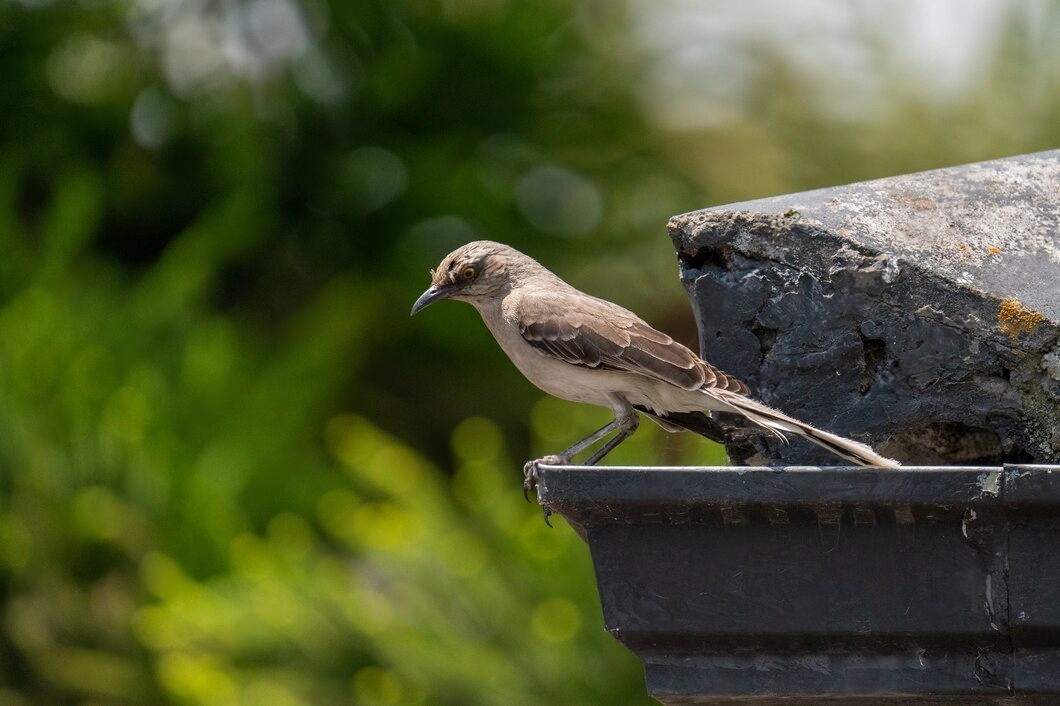
Seasonal bird activity is a natural part of Reno’s environment, but it often creates unexpected challenges for homeowners and businesses. During migration periods, birds search for food, shelter, and nesting locations, turning properties into temporary habitats. Understanding these seasonal patterns helps prevent infestations before they become serious problems.
If you are already noticing increased bird activity, learning about proper prevention and seeking expertise of Celtic Pest Control can help you take early action and protect your property.
Understanding Seasonal Bird Activity in Reno
Reno’s location along migration pathways makes it a temporary stop for many bird species, during seasonal transitions. Spring and fall provide ideal environmental conditions that encourage birds to gather, rest, and reproduce near residential and commercial areas.
Why Birds Migrate Through Reno During Spring and Fall
Birds migrate to follow food availability and suitable temperatures. Reno serves as a resting point because it offers open spaces, water sources, and urban structures that mimic natural cliffs and nesting zones. Migration increases bird populations rapidly within short periods.
Many species pause in urban areas because buildings provide protection from predators and harsh weather. This temporary concentration often creates sudden infestations for property owners who were not previously experiencing bird issues.
Climate and Environmental Factors That Attract Birds
Seasonal weather shifts strongly influence bird movement. Mild spring temperatures and cooler fall conditions encourage birds to settle temporarily in populated areas. Urban heat retention also makes buildings attractive roosting locations.
Key environmental attractors include:
- Accessible water sources
- Outdoor food waste
- Warm building ledges
- Protected roof structures
- Landscaping with dense foliage
These factors unintentionally create welcoming habitats for birds.
Common Bird Species Causing Issues in Reno
Several bird species frequently contribute to seasonal infestations across Reno neighborhoods. Pigeons remain the most common concern, due to their adaptability to urban environments and continuous breeding cycles.
Other problematic birds include:
- Sparrows nesting in vents
- Starlings forming large flocks
- Swallows building mud nests under eaves
- Grackles gathering near commercial areas
Each species brings unique challenges related to sanitation and property damage.
Why Spring Brings Increased Bird Infestations
Spring marks the beginning of breeding season, making it one of the most active periods for bird behavior. Birds actively search for secure nesting areas, often selecting buildings, instead of natural habitats.
Nesting Behavior and Territory Formation
During spring, birds establish territories to raise their young. Once a nesting location feels safe, birds return repeatedly and defend the area aggressively against disturbances.
Common nesting spots include:
- Roof corners
- Gutters and downspouts
- Air conditioning units
- Warehouse beams
- Balcony ledges
Early nesting prevention is essential because removing established nests becomes more difficult later.
Availability of Food Sources Around Homes and Businesses
Spring increases food availability through blooming plants, insects, and human outdoor activity. Open trash containers and outdoor dining areas provide easy feeding opportunities for birds.
Birds quickly learn feeding patterns and return daily once food sources are identified. Consistent access encourages long-term habitation instead of temporary visits.
Structural Areas Birds Prefer for Nesting
Birds prefer elevated and sheltered locations that resemble cliffs or tree canopies. Modern architecture unintentionally creates ideal nesting conditions through flat roofs and decorative ledges.
Structures most at risk include:
- Commercial signage
- Parking structures
- Solar panel installations
- Apartment balconies
- Industrial rooftops
Identifying these vulnerable areas early helps reduce seasonal infestations.
Why Fall Season Also Triggers Bird Problems
While spring focuses on nesting, fall introduces different behavioral patterns that still result in heavy bird activity around Reno properties.
Pre Migration Feeding Patterns
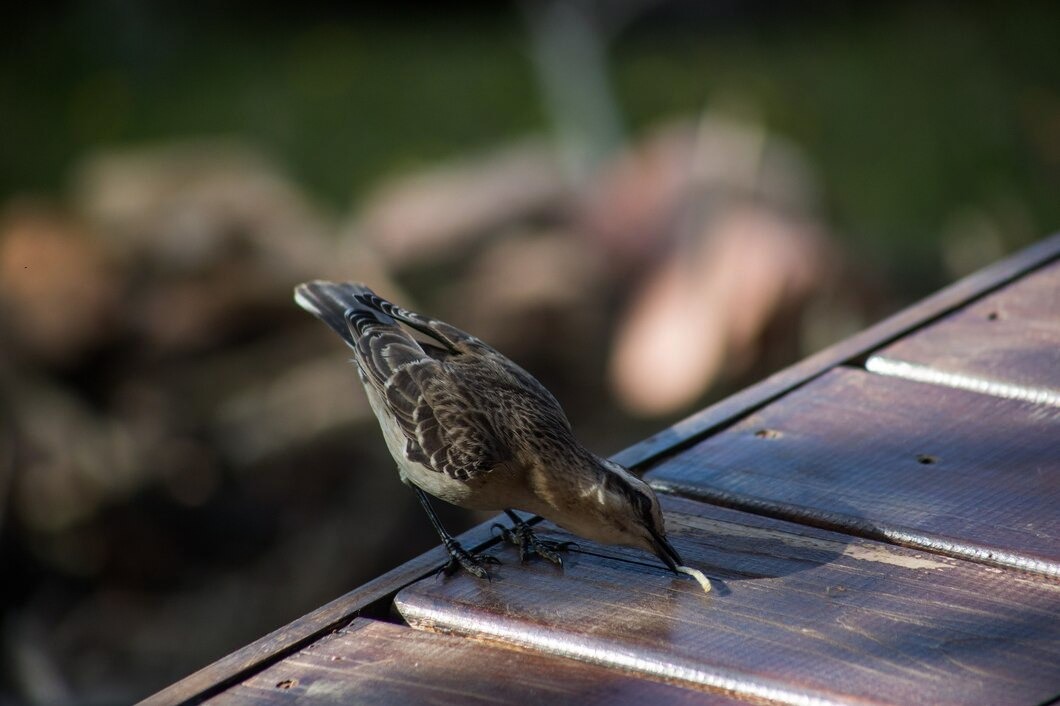
Before migration, birds increase feeding to build energy reserves. Large flocks gather in areas with reliable food supplies, creating noticeable population spikes.
This feeding behavior leads to:
- Increased droppings accumulation
- Noise disturbances
- Competition between bird groups
- Rapid spread of contamination
Properties with accessible food sources become primary gathering zones.
Roosting Behavior in Urban Areas
Fall evenings often bring large groups of birds seeking safe overnight roosting locations. Urban lighting and warmth attract birds to buildings rather than natural landscapes.
Roosting birds can create persistent problems because repeated nightly gatherings lead to heavy waste buildup and lingering odors.
How Cooler Temperatures Push Birds Toward Buildings
As temperatures drop, buildings retain heat longer than surrounding environments. Birds naturally move toward warmer structures for comfort and protection.
Common fall roosting locations include:
- Warehouse rafters
- Retail rooftops
- Covered parking areas
- Vent openings
- Signage frameworks
These areas allow birds to conserve energy during colder nights.
Problems Birds Create for Reno Properties
Bird infestations extend beyond inconvenience. Seasonal activity can cause serious health, structural, and operational concerns if left unmanaged.
Health Risks Associated with Bird Droppings
Bird droppings may carry bacterial and fungal spores that affect air quality. Accumulated waste increases exposure risks for residents, employees, and customers.
Potential health concerns include:
- Respiratory irritation
- Allergic reactions
- Surface contamination
- Slip hazards
- Pest attraction from insects
Regular cleaning alone rarely solves the root problem without deterrent measures.
Property Damage and Structural Concerns
Bird nests and droppings can deteriorate building materials over time. Acidic waste damages paint, metal, and roofing components, leading to costly repairs.
Common damage includes:
- Blocked drainage systems
- Corroded surfaces
- Ventilation obstruction
- Roof deterioration
- Electrical interference
Preventive solutions are often more cost effective than repairs.
Noise, Odor, and Business Disruptions
Large bird populations create constant noise and unpleasant odors. Businesses especially experience customer dissatisfaction when entrances or signage become contaminated.
Persistent disturbances may affect property reputation and daily operations.
Signs You May Need a Bird Deterrent in Reno
Recognizing early warning signs allows property owners to act before seasonal bird activity escalates into an infestation.
Early Warning Signs of Bird Infestation
Initial indicators often appear subtle, but can quickly intensify if ignored.
Watch for:
- Frequent bird gatherings
- Droppings on sidewalks
- Nest materials accumulating
- Repeated rooftop activity
- Chirping or scratching sounds
Early intervention prevents nesting cycles from continuing.
Areas Around Property Most at Risk
Certain locations consistently attract birds due to accessibility and protection.
High risk areas include:
- Roof edges
- Outdoor lighting fixtures
- HVAC systems
- Loading docks
- Window ledges
Routine inspections help identify vulnerabilities.
When Seasonal Activity Turns into a Long-Term Problem
Seasonal visits become permanent infestations when birds successfully nest and return year after year. Established colonies grow quickly, making removal more complex.
Consistent prevention strategies reduce the likelihood of recurring issues.
Effective Bird Deterrent Strategies for Reno Properties
Successful bird control focuses on prevention rather than removal alone. Combining multiple strategies creates long-term protection.
Physical Bird Deterrent Methods
Physical deterrents discourage birds from landing or nesting without harming them.
Common options include:
- Bird spikes
- Netting systems
- Wire deterrents
- Sloped surfaces
- Protective vent covers
Proper installation ensures effectiveness.
Habitat Modification and Prevention Practices
Reducing attractants makes properties less appealing to birds.
Effective practices include:
- Securing garbage containers
- Removing standing water
- Cleaning food debris promptly
- Trimming dense vegetation
- Sealing structural gaps
Consistency is essential for lasting results.
Importance of Professional Bird Control Solutions
Professional assessment identifies species behavior and structural risks that property owners may overlook. Experts design customized deterrent plans suited to Reno’s seasonal bird patterns.
Professional solutions often provide safer and more reliable outcomes.
Stop Bird Infestations with Celtic Pest Control
Are you tired of dealing with pests at your home or business? Look no further than Celtic Pest Control in Reno. Many people do not consider birds a problem because they are so common, and some even leave food out for them. Although birds may seem harmless, they can create serious sanitation and property issues for Reno residents.
Effective pest control for birds is essential to maintain a healthy environment. Pigeons are one of the most common birds in the region and are known for causing persistent problems once they settle. Specialized bird control services help address infestations, while also preventing future activity.
Celtic Pest Control provides comprehensive pest bird control solutions tailored to your needs. Our approach focuses on effective removal and prevention strategies designed for long-term results. So, what are you waiting for, contact us today.
Preventing Future Seasonal Bird Infestations
Long-term prevention requires ongoing awareness and proactive maintenance throughout the year.
Property Maintenance Tips for Each Season
Routine upkeep reduces opportunities for birds to settle.
Helpful maintenance steps include:
- Inspect roofs regularly
- Repair damaged structures
- Clean gutters frequently
- Remove nesting materials quickly
- Monitor seasonal activity changes
Preventive habits minimize infestation risks.
Landscaping Adjustments That Reduce Bird Attraction
Landscaping choices influence bird behavior more than many property owners realize.
Consider:
- Limiting dense shrubs near buildings
- Avoiding open food sources
- Managing fruit bearing plants
- Reducing standing water features
- Maintaining trimmed trees
Thoughtful landscaping discourages roosting.
Long-Term Monitoring and Prevention Planning
Seasonal bird management works best when prevention becomes part of regular property care. Monitoring activity trends helps identify recurring patterns and allows earlier intervention each year.
Proactive planning prevents small issues from becoming major infestations.
Managing Seasonal Bird Activity in Reno
Spring and fall bring predictable increases in bird activity throughout Reno. Migration, nesting behavior, and changing temperatures encourage birds to seek shelter near buildings, often leading to infestations. Understanding seasonal patterns allows property owners to act early and apply effective bird deterrent in Reno strategies.
Preventive measures, habitat management, and professional guidance together create safer environments, while reducing long-term property damage. Awareness remains the strongest defense against recurring seasonal bird problems.
Frequently Asked Questions (FAQs)
1. Why do bird infestations increase during spring and fall in Reno?
Bird migration, nesting, and feeding behaviors intensify during seasonal transitions, causing temporary population surges around buildings.
2. What birds commonly cause problems in Reno neighborhoods?
Pigeons, sparrows, starlings, and swallows are the most common species associated with infestations.
3. Are bird deterrents safe for residential properties?
Yes, modern bird deterrents are designed to discourage landing and nesting without harming birds or people.
4. How can you prevent birds from nesting on my property?
Remove food sources, seal entry points, install deterrents, and monitor areas where birds frequently gather.
5. When should you contact professionals for bird control?
Professional help is recommended when birds begin nesting, droppings accumulate rapidly, or seasonal activity becomes recurring each year.